


Zuzanna Skiba is a visual artist and a member of the Deutscher Künstlerbund who has lived and worked in Berlin-Mitte for more than 15 years.
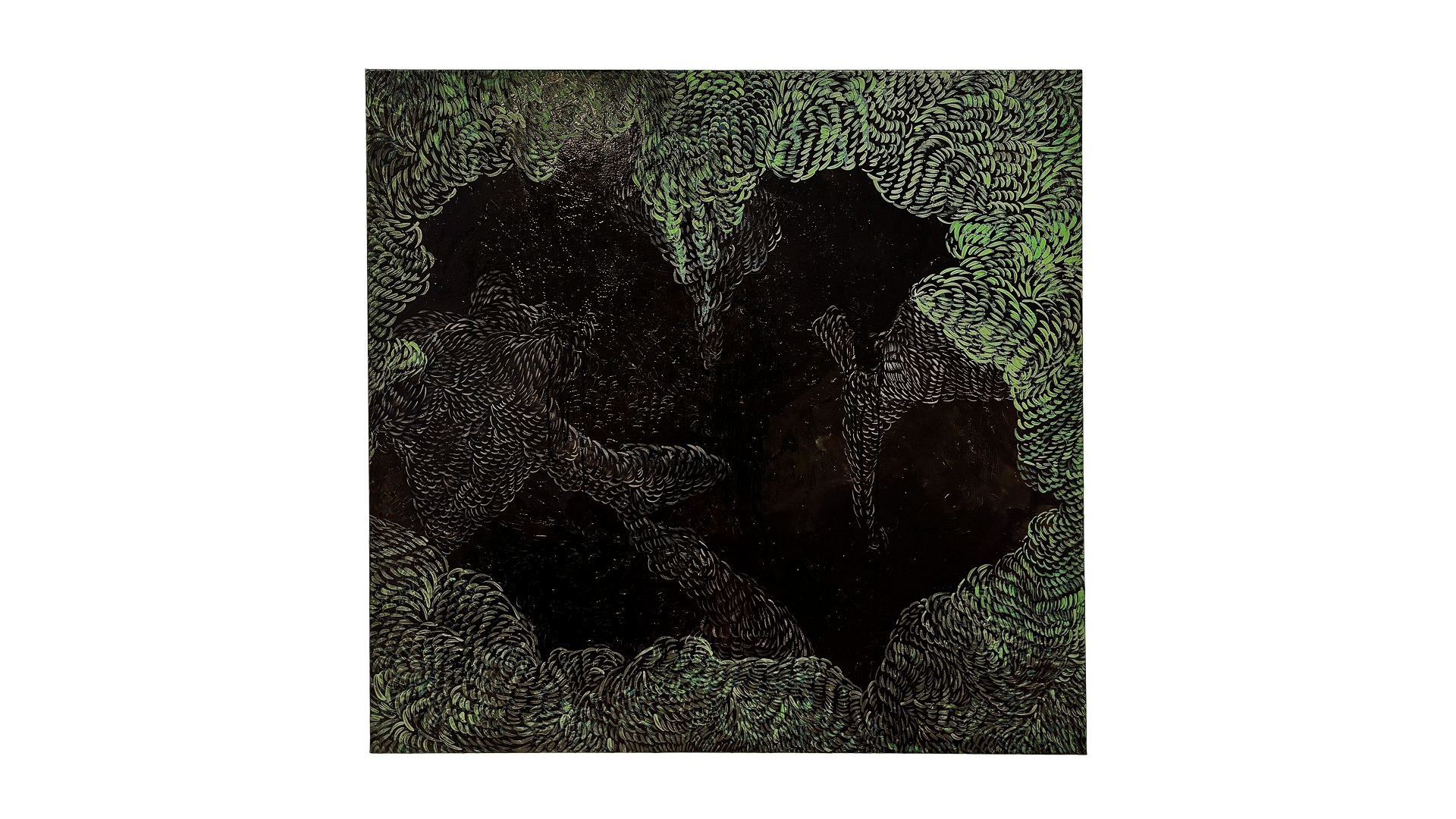
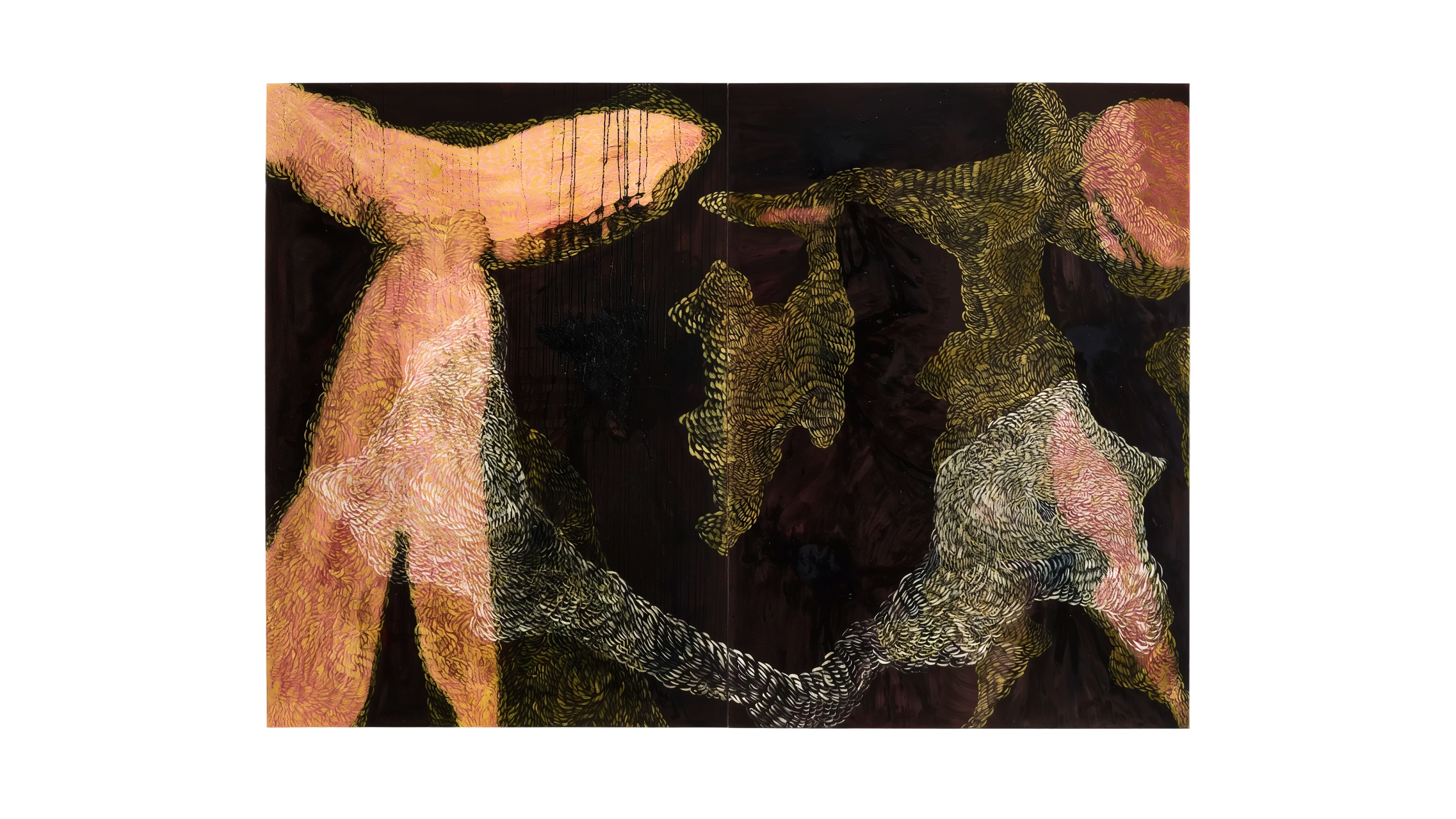
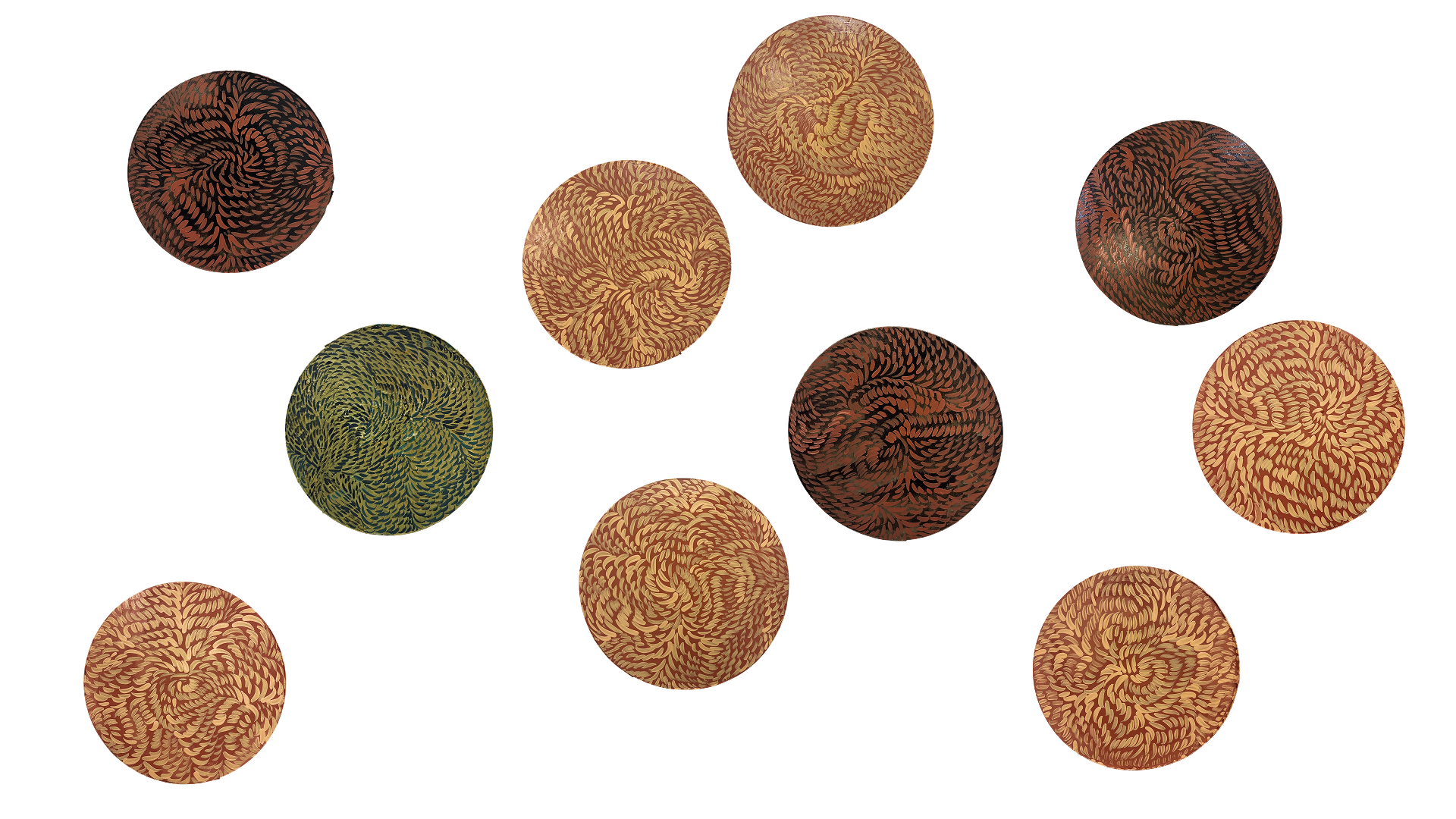
Trained as a cartographer, she learned to interpret aerial photographs and depict terrain with a magnifying glass and a drawing pen. That attention to territory, line, and scale allows her to create landscapes that bring in the views from above, from below, and from within.
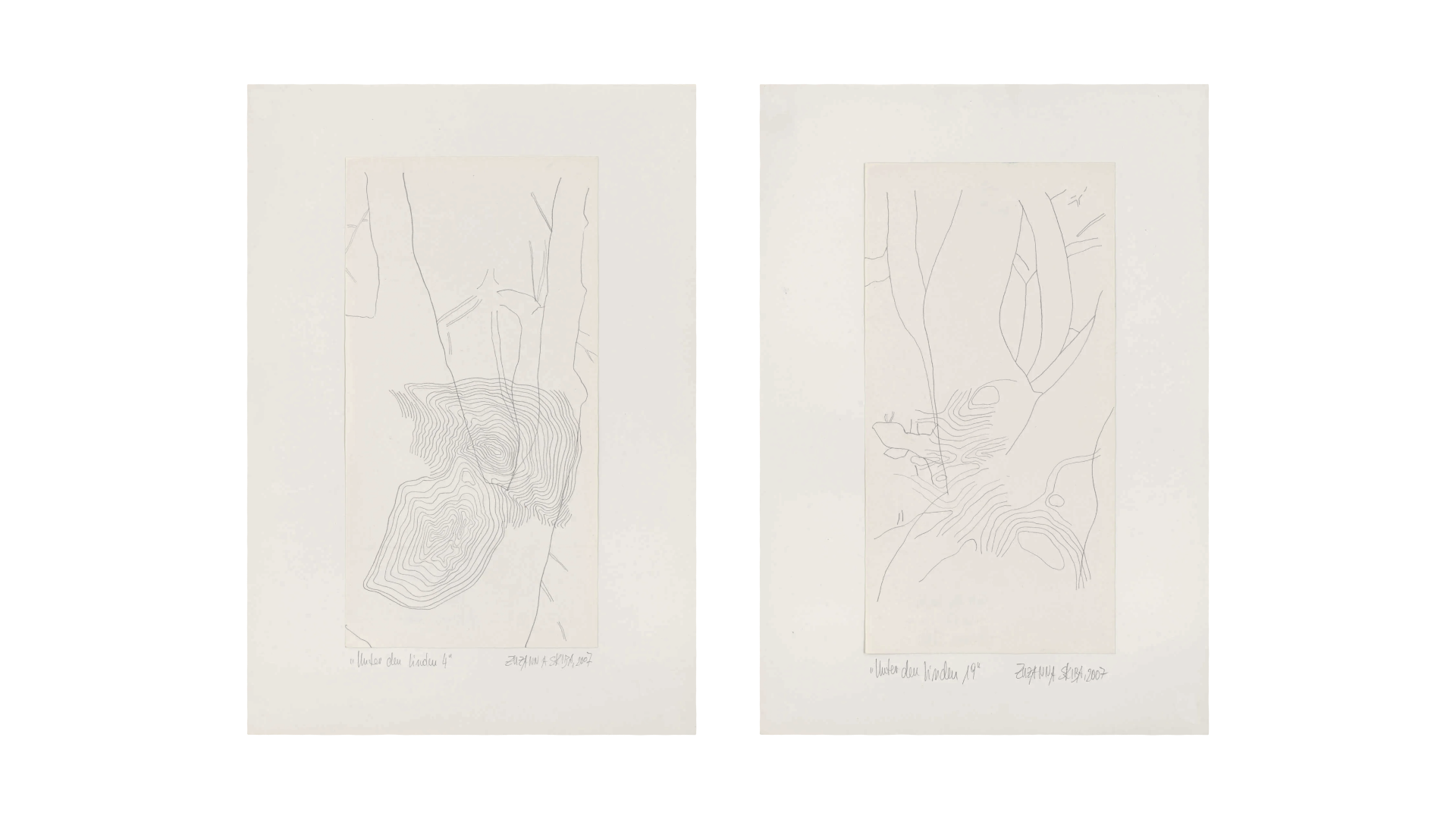
Today, Zuzanna supports the Torstraße preservation initiative and attends the weekly demonstrations against the Senate’s “renovation” plans. Her solo exhibition, Moratorium, conceived as a visual extension of the ongoing protest, is now on view at Mitte Büro.
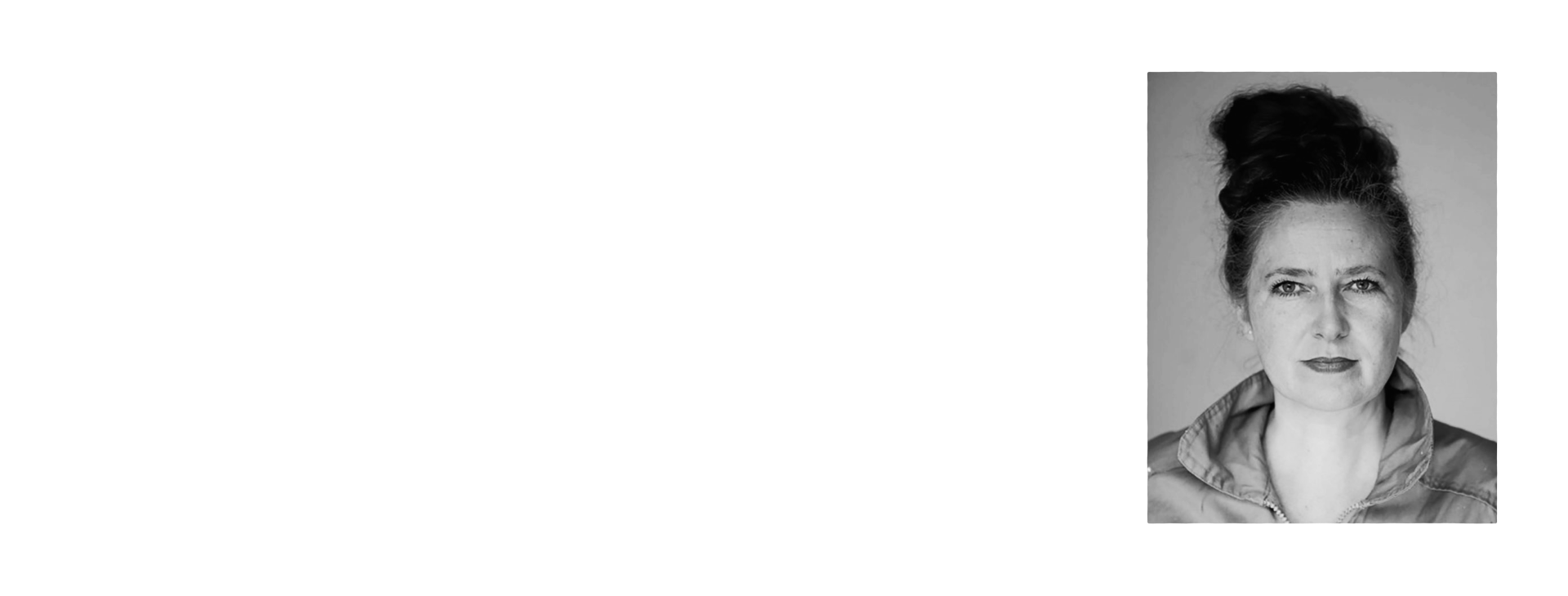
Zuzanna, dear, you’ve been painting for decades. Do you remember how you got into it?
Z.S.: It really started when I was maybe fourteen, fifteen years old. Painting was a way for me to make sense of what was in my mind. When you’re young and you don’t know—uhm, in German, you say, du weißt nicht, ob du Fisch oder Fleisch bist—art gives you the opportunity to bring everything together.
You grew up in Poland, right?
Z.S.: Yeah. Mostly. And my dad, my mom—aesthetics were important to them. They had the drive to make things beautiful. But for me to study art was a completely different step. I didn’t know if I could do it. If it was in my Bewusstsein, in my deep spirit.
But you did end up getting formal art education?
Z.S.: When I was twenty-something, I got a scholarship in the Netherlands, at the academy. The professors there told me I’m working as if I’m a hundred years old. They considered me to be very strict, very konservativ. And my paintings were not that interesting. I was young, and I thought, okay, maybe they are right. Maybe I need to change my approach, break away from the stuff I was used to. I decided to really break. Destroy. Kaputt machen.
After the academy scholarship… was it destruction that led you to Berlin?
Z.S.: No. I wanted to go to New York, but I chose Berlin—because Christo was here. 1995. It was like the Renaissance. Wiedergeburt. Everyone was so happy. We danced in front of the wrapped Reichstag. Some people slept outside, on the grass. It was like Woodstock for art. And I was fresh in love…
Wow. Wow.
Z.S.: It was a beautiful summer. I was staying in a friend’s apartment. I had no money, I had nothing. But I had my work. I was so skinny back then. Sometimes, I couldn’t afford to buy dinner, so I would just paint instead of eating. It was a survival thing. I painted with wine, with coffee, with old tea bags. With anything I could get my hands on.
And then?
Z.S.: And then, after a couple of years in the city, I got another scholarship. They offered me a studio in the middle of a forest, in the south of Berlin, in Kladow. I loved that place. I was completely alone, completely alone with my work. I had the time to figure out: okay, what’s… what’s my way? What makes me special? I started reading a lot of artist Biografien. When you read about famous artists, you get the idea that life always shows you the way. So I asked myself, what’s in my life? In my life is the combination of countries, languages, religions. The combination of borders.
As in, geographical borders?
Z.S.: Yes. When I was a child, we moved a lot. From Russia, to Ukraine, to Poland, to Germany. That movement was difficult for me.
Your parents come from Odessa, if I’m not mistaken?
Z.S.: My mother is from Odessa. My father is from Lemberg. He spent quite a bit of time in Sibirien as well. Whenever he was sad, he had this desire… this desire to move. He packed his suitcase at least once a month. He packed and he said, “I go, I go, I go.” All the border crossings, not knowing where your home is…
Where does the not-knowing come from?
Z.S.: So, okay. In the west of Ukraine, where my family is from, many Jewish people, many Christians, many Protestants lived together for years, ja? Then, uhm… the war came. Because of the Nazis, my grandfather decided to pay a man to marry my grandmother. To make the papers different. It was important to him that the children were in Sicherheit, that they were safe. Normally, I would have the name Rabinovitch, a Jewish name. But now I’m Zuzanna Skiba. The man married my grandmother, and the papers got changed. And my grandfather—we don’t know what happened to him.
Have you considered changing the name back?
Z.S.: It was only ten years ago that I learned about the name. The whole family knew, but they kept the secret. When my father died, my aunt told the story. It all makes sense now. The conflict, the separation… I tried going to the synagogue, you know? It was foreign for me. I grew up with the Christian tradition. I had no idea about all this.
Quite a complex story…
Z.S.: Very complex story. And with my work, everything comes together now. When you get older, it’s like a puzzle. More and more pieces come together. Maybe when I’m a hundred, I’ll have the whole thing.
Was it all this movement that brought you to landscape?
Z.S.: It brought me to cartography first. Bird’s-eye view. I used to draw maps to make a living. And that is the whole point of the map. To say: okay, here’s yours, and here’s mine. Machtübergabe, ja? Separation. A line of power. Machtinstrument. Oh Gott. How do I say Machtinstrument in English?
A tool of influence?
Z.S.: Yeah. It’s not natural, you know? Of course, nature has its borders, too. A river can be a border. The Oder river next to Frankfurt Oder separates Germany from Poland, for example. I had a studio there in 2006, on the German side, across from Słubice. They had a Little Moscow neighborhood in Słubice. Lots of Russian immigrants. My sister was born in that area.
Oh, I had no idea.
Z.S.: About twenty years ago, they conducted an Umfrage. They asked, “Do you want to have a tram, a Straßenbahn, crossing the river between Słubice and Frankfurt Oder?” Because a lot of people were working in Frankfurt Oder while living in Słubice. A lot of people were studying at the Viadrina university and going to Germany on weekends. The Polish voted in favor of it. The Germans voted against it.
Surprise, surprise…
Z.S.: I was there when this happened. I was by the river for days, observing. It was like a magnetic field. A magnetic behavior, ja? They like each other, they don’t like each other. It’s both. I made this huge drawing, three-meter-sixty. The title was “Man sieht sich immer zweimal.” I see you all the time, twice. And then I noticed: oh, this is something new…
Is this how your signature was born?
Z.S.: Yeah. Yeah.
You moved to Mitte in 2011. What was that like?
Z.S.: I was going through changes in my private life. I got a little flat on Ackerstraße. It was a new start. The people here have the same problems as me. The people here crave the same way of living as me. You can say it’s a bit of a snob thing. But I like it, ja? It’s more expensive, but I like it. A lot of artists live here. After Wedding, and Moabit, and Spandau, and Frankfurt Oder… I found peace here. As a woman, I feel safer in Mitte as well. I’ve always had a dream, you know? I’ve always wanted to live like I’m in Notting Hill…
Notting Hill, the Julia Roberts movie?
Z.S.: Yeah. It’s a love story. And I always thought to myself, I want to live like I’m in Notting Hill. Beautiful bookstores, and cafés, and art people…
Do you feel like you’ve found that?
Z.S.: Yeah. Kind of. We have a beautiful bookstore here. And a fruit shop keeper who says “hello” to me.
You do have a pretty recognizable look…
Z.S.: Do you think?
I think so, yeah. With the hair and all. Even from the older photos…
Z.S.: You’re right. Everybody always recognized me.
You’ve been going to the neighbourhood protests against the Torstraße renovation project every week…
Z.S.: I have. People started recognizing me there, too.
Do you think we’ll win the argument? Are you still hopeful about that?
Z.S.: Of course, we need the hope. We need the hope. And we need those trees.
★ RSVP
Wednesday, September 16, 6:30 p.m.
This Wednesday is your last chance to see Zuzanna Skiba’s solo exhibition at Mitte Büro. Join us after the weekly Torstraße demonstration for a final evening among the works, with complimentary Crémant courtesy of Torbar.